How To Shrink Bunions Naturally – Simple Foot Relief
Bunions, visible as bony bumps at the base of the big toe, develop due to joint misalignment and often lead to ongoing foot discomfort. While surgery offers a corrective solution, many people seek less invasive, natural approaches for relief. A combination of herbal treatments, targeted exercises, smart dietary choices, and proper foot care can help manage pain and reduce inflammation, even though these measures will not physically shrink the bunion itself.
The question of how to shrink bunions naturally centers on easing daily symptoms, improving joint mobility, and slowing progression. Non-surgical steps such as herbal soaks, weight management, and supportive footwear provide practical options for those wishing to manage bunions without medical intervention. Consistency and mindful self-care form the backbone of effective natural bunion management.
What Are Bunions and Why Do They Occur?
Bunions are misaligned joints at the big toe base, leading to a visible bony bump and discomfort.
Herbal soaks, foot exercises, footwear modifications, and nutrition can improve symptoms.
Regular stretches, strengthening, and weight management help minimize progression.
If pain hinders walking or worsens despite care, medical input is important.
- Bunions stem primarily from bone and joint changes in the big toe.
- Insufficient footwear and genetics play major roles in their development.
- Pain stems from soft tissue irritation and joint pressure.
- Consistent, gentle remedies can alleviate discomfort and slow progression.
- Some approaches, like herbs and topical soaks, focus on symptom relief.
- Immediate improvements are unlikely, but daily care matters.
- Professional medical advice is necessary for severe or worsening cases.
| Fact | Details |
|---|---|
| Bunions comprise bony and soft tissue changes | The bump forms where the big toe angles toward the second toe. |
| Joint misalignment is the primary cause | Poor footwear, genetics, and foot shape increase risk. |
| Pain is often due to inflammation | Soft tissue irritation is common, especially with tight shoes. |
| Diet and weight affect symptom severity | Anti-inflammatory foods and weight reduction lessen foot stress. |
| Herbal soaks and topical applications relieve discomfort | Ingredients like chamomile and turmeric reduce swelling. |
| Foot exercises support joint mobility | Daily stretching and strengthening help prevent progression. |
| Structural changes are not reversible naturally | Non-surgical remedies target symptoms, not bone correction. |
| Consistent care is key | Improvements require ongoing self-care routines. |
What Natural Methods Can Shrink Bunions?
Are There Herbal and Home Remedies for Bunion Pain?
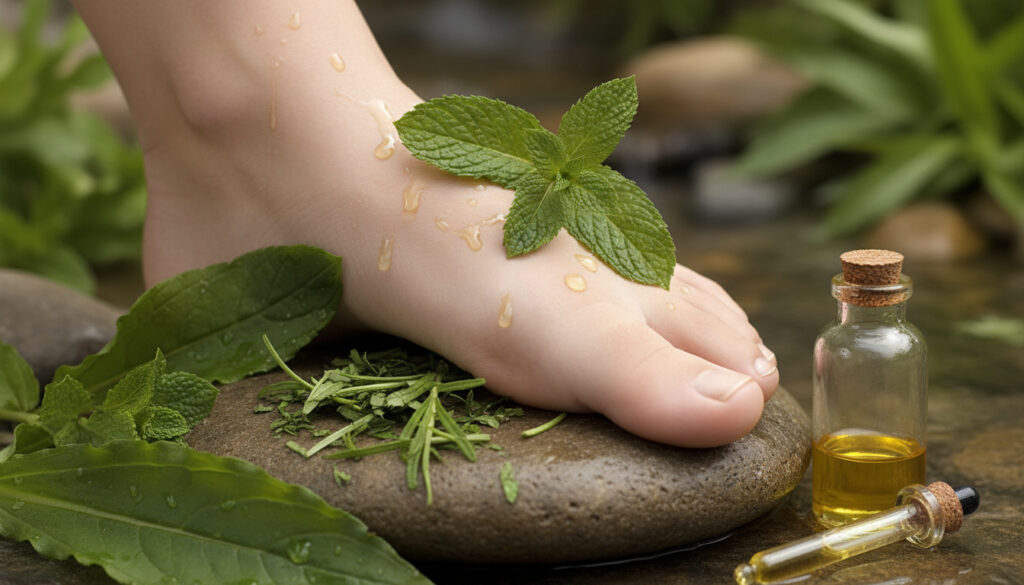
Herbal and topical remedies can ease discomfort and swelling associated with bunions. Chamomile-infused Epsom salt soaks, turmeric paste application, and ginger-cayenne compresses are favored for their anti-inflammatory effects. Gentle daily treatments may offer symptomatic relief even as they cannot correct the underlying bone deviation. For further reading, see this overview of home remedies.
Consistent use of chamomile soaks, turmeric paste, lavender-infused flaxseed oil massage, or ice therapy may reduce irritation and swelling, according to podiatric sources. These natural approaches focus on pain and inflammation, not structural correction.
Source
What Dietary Changes Can Reduce Bunion Inflammation?
Adjusting the diet to include anti-inflammatory foods like turmeric, ginger, and omega-3-rich ingredients supports lower systemic inflammation. Reducing sugar intake and processed foods can also benefit joint health. Some podiatrists recommend herbal teas and antioxidant-rich snacks, such as yogurt with berries, as daily dietary support.
Diet tip details here.
Which Topical and Physical Remedies Are Most Effective?
Physical interventions—such as ice massage, alternating hot and cold soaks, and the application of bunion pads—ease swelling and cushion sensitive areas. These are frequently recommended for temporarily reducing irritation, though they provide no permanent correction. Find a complete guide at How to shrink bunions naturally.
What Are the Limitations of Natural Bunion Treatments?
While natural remedies offer notable comfort for many, research consistently shows they do not address the root structural misalignment. Consistent daily practice maximizes relief but cannot reverse the deformity. Severe or rapidly worsening cases require professional evaluation.
Methods such as DIY splints, forceful toe adjustment, or the use of raw cabbage leaves for bunion care lack scientific support and may aggravate symptoms or cause harm. Learn more
How Can Exercises and Lifestyle Changes Improve Bunion Health?
Are There Targeted Exercises for Bunions?
Gentle toe stretches, towel scrunches, and marble pick-ups are recommended exercises to enhance flexibility and reduce joint stiffness in the big toe area. These should be performed for a few minutes daily, balancing with rest to avoid overuse injuries.
5 ways to treat bunions without surgery
Regular movement helps maintain joint flexibility, supports soft tissue resilience, and may lessen discomfort, though it does not realign bone. Expert podiatric sources emphasize gentle practice for best results.
Does Weight Management Play a Role in Bunion Care?
Maintaining a healthy body weight reduces mechanical stress on the feet, which can slow bunion progression and decrease pain. Incorporating gentle, non-impact exercise routines with dietary changes is a commonly supported strategy.
Which Lifestyle Adaptations Make the Biggest Difference?
Wearing shoes with a wide toe box, adequate arch support, and avoiding tight, pointed footwear provides crucial relief. Protective padding or orthotics can lessen daily strain. Nighttime splints or toe spacers may offer temporary alignment but do not yield lasting changes. Further foot care practices
When Can You Expect Results With Natural Bunion Remedies?
- Ancient to Modern Remedies: Traditional soaks and compresses have been used for foot health across centuries, with evolving herbal blends.
- Mid-20th Century: Increased public focus on footwear modification and joint-friendly exercise regimens.
- Within a Few Weeks: Symptom improvements such as reduced swelling or discomfort may begin within days to weeks of regular care (source: 5 ways to treat bunions without surgery).
- Ongoing Management: Continued use of supportive shoes, exercise, and proper nutrition maintains benefits over time.
- Future Outlook: Research into supportive therapies and non-surgical care advances incrementally, but no natural method fully reverses bunion formation (How to shrink bunions naturally).
What Is Certain and What Remains Unclear About Natural Bunion Treatment?
| What Is Supported by Evidence | What Is Uncertain or Inconclusive |
|---|---|
| Anti-inflammatory herbs and dietary changes can help manage pain and swelling. | Permanent reversal of structural bunion changes without surgery is not supported by current research. |
| Physical exercises and proper footwear reduce symptom severity and slow progression. | The degree and speed of symptom improvement vary by individual. |
| Weight management reduces overall foot pressure. | Which combinations of natural treatments achieve the most relief remains to be fully established. |
| Gentle foot care routines are safe and beneficial when consistently applied. | The impact of untested home remedies is often unclear or may be negative. |
How Do Natural Bunion Remedies Compare to Conventional Treatments?
Natural approaches, such as herbal soaks, dietary anti-inflammatories, and mobility exercises, often focus on managing symptoms and quality of life rather than altering underlying bone alignment. Conventional treatments, including surgery, are designed to directly correct the joint deformity. Many podiatrists recommend a combination of non-surgical practices for daily relief and reserving surgical options for severe or persistent cases. Reliable sources stress the importance of integrating consistent foot care and seeking expert guidance for the best results.
Recent studies suggest benefits from ice massage, foot exercises, and orthotics, but highlight the importance of individual moderation and awareness of each method’s limitations. Read more from experts
Insights From Experts and Research on Natural Bunion Care
“Natural remedies including ice, topical herbals, and corrective shoes provide valuable relief, but do not correct the underlying joint misalignment. Customized care plans and timely professional evaluation are key when symptoms persist or worsen.”
Podiatric Consensus, Cleveland Clinic
“Daily attention to foot health—through appropriate footwear, gentle exercises, and targeted anti-inflammatories—offers considerable benefit for mild to moderate bunion symptoms. However, surgery remains the only option to truly correct the deformity in advanced cases.”
Bunion Institute
What Are the Main Takeaways for Managing Bunions Naturally?
Natural methods for bunion relief—herbal soaks, dietary improvements, supportive shoes, and simple exercises—can reduce pain and may slow progression. While these do not reverse structural changes, they are valuable for ongoing comfort and mobility. Integrate daily practices for sustained results and explore additional guidance in Daily Perspective.
Frequently Asked Questions
What are the early signs of bunions?
Can natural remedies be used alongside conventional treatments?
How long does it take to see improvement using natural methods?
Are there any risks associated with herbal bunion treatments?
What lifestyle changes are most effective for bunion care?
More related posts
 Leonardo da Vinci: Life, Works, and Enduring Mysteries
 What Is a Limited Company – Definition, Types, Pros and Cons
 Symptoms of Long COVID – What to Know in 2025
 2000 Dollars in Pounds: USD to GBP Live Rate & Converter
 The Devil Wears Prada: Themes, Sequel Rumors, and Iconic Lines
 Pigs in a Blanket: Recipes, Origins & Global Names
 9/11 Attack: Causes, Events, Survival and Aftermath Explained
 Dmitri Shostakovich: Life, Music, Politics & Health Explained