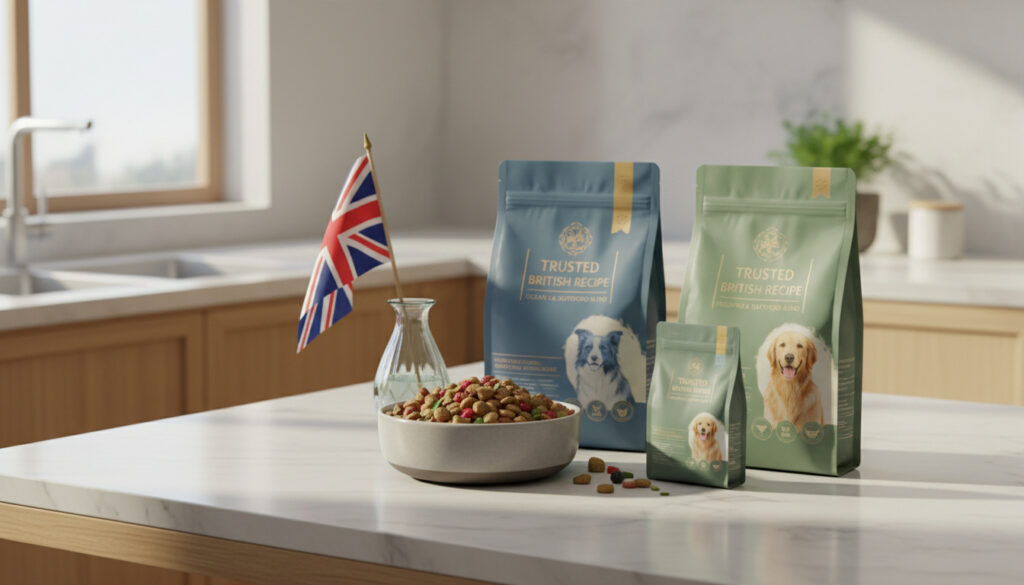
Best Dog Food Uk – Trusted Pet Nutrition Tips
Choosing the right food for your dog can be overwhelming in the UK’s crowded market. With shifting trends toward high meat content, natural ingredients, and vet endorsements, pet owners have many factors to weigh. Prioritizing transparency, safety, and value is key to ensuring your dog gets optimal nutrition.
Over recent years, All About Dog Food (AADF) ratings, vet recommendations, and consumer preferences have driven UK dog food brands to improve their recipes. Whether you are seeking grain-free, hypoallergenic, or organic-inspired options, understanding what goes into top-rated products will help you make an informed decision.
This guide examines leading criteria, top brands, ingredient quality, feeding recommendations, and current trends for the best dog food in the UK.
What criteria should be used to choose the best dog food in the UK?
| Top Rated Brands | Best Value Options | Vet Recommended Picks | Specialized Diets (Organic, Grain-Free) |
|---|---|---|---|
| Forthglade, Lily’s Kitchen, Bella+Duke | Tuggs, Paleo Ridge Essential, ProDog Raw Bundles | Lily’s Kitchen, Royal Canin, Pooch & Mutt, Skinner’s | Naturaw (organic leaning), Lily’s Kitchen, Tuggs (insect protein) |
- High meat, human-grade ingredients form the foundation for most top-rated dog foods.
- AADF ratings above 70% indicate strong nutritional profiles and ingredient transparency.
- Wet, dry, and raw varieties accommodate different owner and pet preferences.
- Sustainability and hypoallergenic claims are increasingly driving consumer choices.
- Grain-free recipes suit many sensitive dogs, with exotic or novel proteins aiding those with allergies.
- Subscription and direct-delivery models are prominent among fresh/raw brands for value and convenience.
- Consulting veterinary sources is recommended for specific health or dietary needs.
| Brand Name | Price Range | Key Ingredients | Vet Rating | Availability |
|---|---|---|---|---|
| Forthglade | £22–£52/pack | Meat (60–75%), veg, no grains | Trusted, 73% AADF | UK shops, online |
| Lily’s Kitchen | £36–£66 (wet) | Fresh meat (≥60%), veg, herbs | Vet-recommended | Supermarkets, online |
| Bella+Duke | From £1.30/day | 90–97% meat/offal | RawSAFE certified | Delivery subscription |
| Tuggs | Subscription | Insect protein, veg, 90% AADF | Strong reviews | Online only |
| Pooch & Mutt | £25–£45 | Meat, veg, supplements | Which? recommended | Pet shops, online |
| Royal Canin | £30–£55 | Varied, vet prescription options | Vet endorsed | Widespread |
| ProDog Raw | Bundles/single | British meat, exotic proteins | Nutritional advice free | UK shipping |
| Naturaw | Premium | Human-grade, 80–96% meat | High AADF | Online/stockists |
Which top dog food brands in the UK are recommended by vets?
Expert Endorsements and Leading Choices
Veterinary experts frequently recommend Lily’s Kitchen, Royal Canin, and Pooch & Mutt for their balanced, transparent formulas. Across multiple reviews, Forthglade and Skinner’s also score well with both vets and dog owners, particularly for clear labelling and hypoallergenic options. Brands such as Bella+Duke and Naturaw receive praise in the raw food segment, often for quality meat sourcing and certification.
Lily’s Kitchen is regularly cited by veterinary sources for nutritionist-developed recipes that include human-grade meat and no artificial additives, while Royal Canin provides a wide range of breed- and veterinary-specific options, making it a popular clinical choice.
Source: Which?
Consumer and Owner Feedback in Reviews
Reviews on platforms like All About Dog Food cite improved digestion, healthier coats, and firmer stools among dogs fed premium or raw brands such as Bella+Duke and Forthglade. Consumer consensus highlights a preference for recipes with named meats as the main ingredient, avoidance of cereals and fillers, and a growing shift to fresh subscriptions. Owners prioritise brands with clear traceability and sustainable practices.
How Do Brands Compare in Quality and Safety?
Bella+Duke and Naturaw stand out for high AADF scores (up to 97%) and robust safety certifications (e.g., RawSAFE). Lily’s Kitchen, Forthglade, and Nature’s Menu emphasize natural ingredients and regular safety testing. Most top brands avoid artificial colours, preservatives, and grains, increasing their appeal for health-conscious owners.
For more comprehensive reviews on raw options, refer to Best Raw Dog Foods Review.
How do different dog food types compare in the UK market?
Dry vs. Wet Dog Food: Key Differences
Dry dog food, led by Forthglade, offers convenience and shelf stability, with cold-pressed and lightly baked options preserving nutrients. Wet food choices like Forthglade Grain-Free Trays and Lily’s Kitchen wet tins focus on high meat percentages and natural ingredients, better suiting fussy eaters or those with limited hydration. Both types exclude artificial additives in leading brands.
Organic and Natural Options in the UK
Explicitly certified organic dog foods are rare, but many leading UK brands—such as Lily’s Kitchen and Tuggs—lean heavily on natural or human-grade claims. Tuggs features insect protein for sustainability, while Naturaw is noted for environmental focus. The AADF platform is commonly used to assess these attributes in detail.
Raw feeding is rapidly increasing in the UK, with Bella+Duke and Naturaw offering personalised, raw-safe subscriptions. Owners report visible improvements in stool, coat condition, and general health when transitioning to raw or gently cooked diets.
Source: Smart Bark UK
How do feeding recommendations and pricing vary based on your dog’s needs?
Determining Feeding Amounts and Life Stage Adjustments
Feeding guidelines depend on dog size, age, and activity. Puppies and seniors benefit from tailored recipes, now widely available in the UK—Bella+Duke, for instance, offers life-stage-specific plans. Active breeds often require higher-energy ingredients, such as grass-fed meats or fish-based proteins.
Price Comparisons Among Leading UK Brands
Dog food prices in the UK range widely. Subscriptions like Bella+Duke and Tuggs include introductory discounts (up to 50% off first order). Wet food variety packs span £22–£66, while raw food bundles are praised for value, even when positioned at a premium. Consumers regularly compare AADF nutrition scores against cost to identify best value per ingredient quality.
Some brands may not be equally available across all UK regions, and prices can differ for specialty diets (e.g. exotic protein or hypoallergenic blends).
Transitioning and Special Needs
Switching food types, especially to raw or high-protein diets, often requires a gradual transition. Owners of dogs with suspected allergies are advised to seek veterinary guidance; novel proteins and limited ingredient diets may help. ProDog Raw and similar brands provide entry kits and nutritional advice tailored to first-timers.
Further guidance on ingredients and quality can be found at Best Dog Food UK.
How have regulations and consumer trends shaped the UK dog food landscape?
- Recent tightening of UK pet food safety standards sets higher transparency and traceability requirements (source).
- Top brands like Forthglade and Bella+Duke introduced new recipes emphasising high meat content and fewer fillers from 2021–2024.
- Strong AADF ratings and consumer scrutiny spurred a shift to grain-free, hypoallergenic, and sustainability-focused options from 2023 onward.
- Direct-to-consumer subscriptions and personalised, fresh meal services gained popularity in 2024–2026, with many offering significant introductory discounts.
- Ongoing research highlights health benefits of raw and gently cooked diets, influencing owner choices and driving new product launches.
What information is clear and what remains uncertain regarding best dog food in the UK?
| Well-Established Facts | Areas Still Unclear |
|---|---|
| High meat content and natural ingredients are the basis for most top-rated UK dog foods. | Taste preference and breed-specific success are largely anecdotal and may vary. |
| AADF and Which? ratings offer reliable nutritional comparisons among brands. | Organic certification claims are less clear; most brands frame their products as “natural” or “human-grade.” |
| UK regulations require transparent ingredient disclosure on packaging. | Full regional availability and pricing can differ based on location and supplier. |
| Vet recommendations often focus on clinically tested brands or those with broad dietary variety. | Long-term effects of newer grain-free or insect protein recipes are still under study. |
How does the UK dog food market fit into the broader context of pet nutrition?
The UK market has rapidly evolved, with pet owners increasingly seeking transparency, high animal protein content, and sustainability. Regulatory oversight—by both industry groups and government—ensures that top brands meet strict safety and labelling requirements. Compared to some international markets, the UK now leads on novel protein adoption and raw food trends while maintaining strong compliance standards.
Consumer demand for natural, allergen-sensitive, and grain-free foods has led to a surge in recipe diversification and personalised meal offerings, mirroring broader changes in Western pet nutrition research. While organic certification remains rare, “human-grade” and locally sourced ingredients drive much of the market’s premium segment.
Which sources and expert statements support UK dog food recommendations?
“Nearly 70% of owners now look for meat or fish as the first dog food ingredient, avoiding bulk fillers wherever possible.”
UK Pet Food Manufacturers’ Association
“It’s essential that all commercial dog foods meet the statutory UK standards—owners should always check the label for clear ingredient listings.”
Official UK government resources on pet food safety
“A well-formulated, high-meat recipe can benefit coat condition and stool quality, supporting long-term health.”
Veterinary Practice News
What are the main takeaways for finding the best dog food in the UK?
Selecting top dog food in the UK depends on prioritizing high meat content, natural ingredients, clear labelling, and independent ratings such as AADF, along with vet advice for special needs. Subscription models, sustainability claims, and transparent sourcing are shaping 2026’s top choices. For more comprehensive analysis and brand reviews, see Best Dog Food UK.
Frequently Asked Questions
What is the best dog food in the UK?
How do I determine if a dog food is high quality?
Are there any organic dog food options available in the UK?
What should I consider when comparing dog food prices?
How do feeding recommendations change based on my dog’s breed and age?
More related posts
 Is Russia in Europe or Asia? The Transcontinental Truth Explained
 The Narrow Road to the Deep North: True Story & Cast Guide
 Normal Temperature for Adults – True Range and Fever Signs
 Dow Jones Index Today – Steady Market Insight
 Boots Ear Wax Removal – Cost, Booking and Process Guide
 Princess Charlotte: News, Age, Titles, and Succession
 Chard & Ilminster News: Latest Updates, Crime, Deaths
 Golf Clothes for Men: Brands, Dress Codes & What to Wear